Targeted upgrades help cinemas stay competitive at almost any scale
When we talk about a premium cinema experience, it's easy to picture a flagship multiplex: A giant screen, luxury seating, immersive sound, and an impressive lobby. But in my experience, premium isn’t defined by the size of a screen or the scale of an operator. It’s defined by what the audience sees, hears, and feels from the moment they arrive.
That means a neighborhood cinema, an independent theatre, or a smaller auditorium can feel every bit as special as the biggest Premium Large Format (PLF) screen. The investment needs to be right for the venue and the people it serves. For audiences, those investments don't need to look extravagant. They show up in practical ways: a brighter image, cleaner sound, more comfortable seating, easier wayfinding, a welcoming lobby, and the confidence that the screening will start on time and that the film will look exactly as they expect.
Premium expectations aren’t reserved for the largest cinemas
A decade ago, transforming a cinema often required capital that was difficult for smaller exhibitors to access. Today, the economics are different. Upgraded seating, better food and beverage areas, digital displays, and modern cinema projectors and sound systems are available at a much wider range of price points.
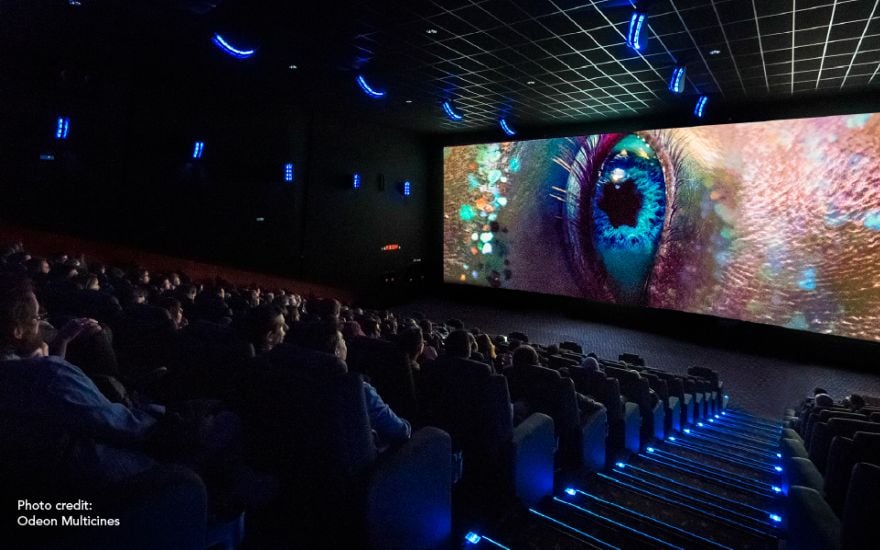
Odeon Multicines Sambil (Madrid)
Since audiences now compare cinema to the convenience of staying home, there’s a greater need to justify the trip to the movies. A cinema has to offer something home viewing can't: Scale, atmosphere, shared experience, and presentation quality. If a local cinema doesn’t evolve, it can unintentionally tell customers they need to travel elsewhere for a contemporary experience — and that’s a dangerous message. Many moviegoers will pay more when the added value is clear, but they expect comfort, consistency, strong sound, and an excellent image in return.
Premium, then, doesn’t have to mean copying a flagship cinema. It might mean adding recliners to one carefully chosen auditorium, improving the lobby, upgrading the sound, or replacing an aging projector whose declining brightness and reliability are affecting the presentation. A series of well-planned improvements can be more effective than one oversized investment.
Invest in what your audience needs most
How should an exhibitor decide where to invest?
I believe the process begins with three questions: Who uses this cinema? What do they value? And where is the current experience falling short?
A busy urban multiplex, a historic town-center cinema, and a small theatre serving a rural community won’t arrive at the same answer.
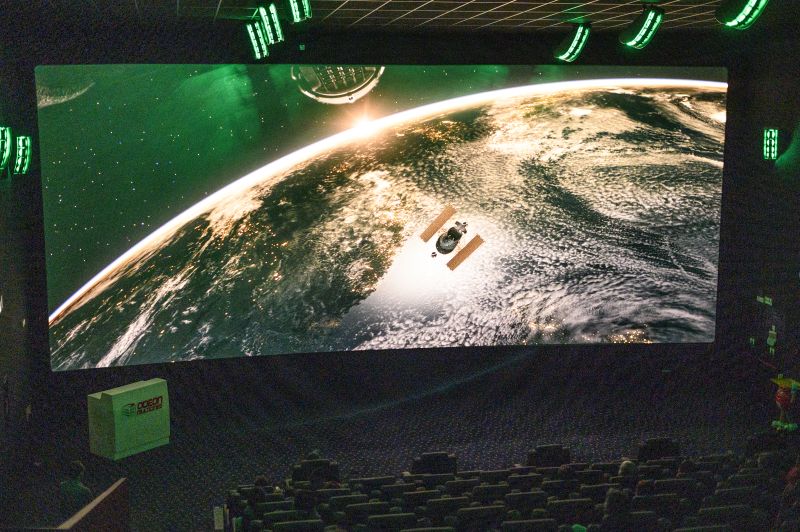
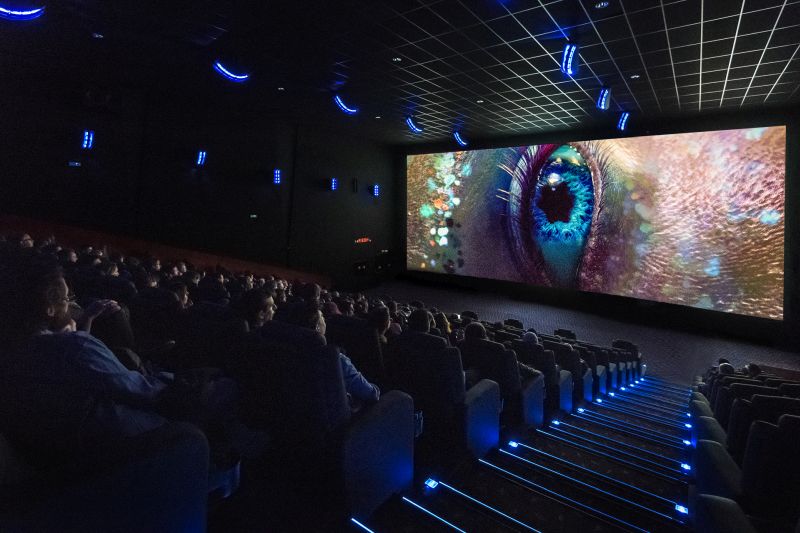
Odeon Multicines Sambil (Madrid)
One location may benefit most from a premium auditorium for major releases, while another provides greater value in food and beverage. For many local venues, there may be a need to support a wider range of programming, from major releases to family screenings to festivals or community-focused cinema.
For all cinemas, the goal is to invest where customers will notice the difference and where the operation will benefit over the long term.
Choose the right projector for your cinema
Keeping end-of-life equipment running may seem economical in the moment, but repairs, parts availability, inconsistent brightness, and downtime all come with their own costs. Maintenance should preserve an asset's value; it shouldn't become a permanent substitute for renewal. For me, this is one of the most important lessons in cinema operations: The cheapest decision today is not always the cheapest decision over the life of the equipment.
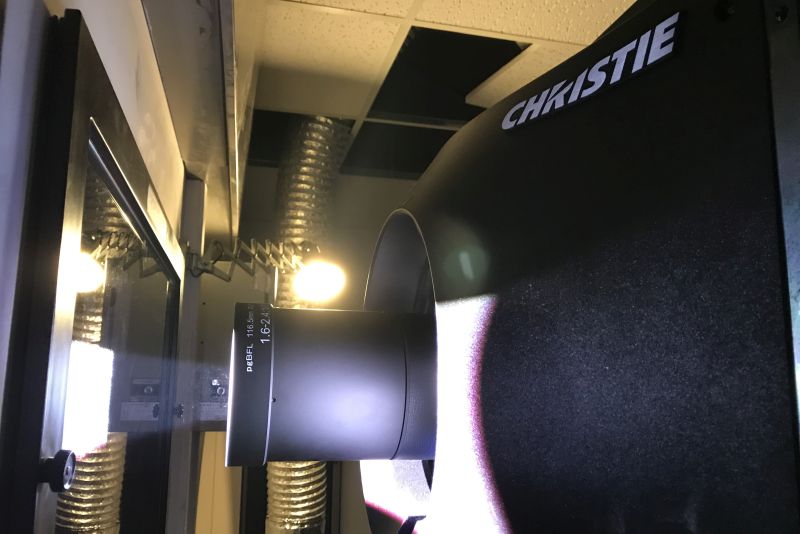
Christie projector in Odeon Multicines Alicante cinema booth
When you do decide to upgrade, the point isn’t to choose the most advanced projector for every room. It's to match the technology to the screen, so each auditorium delivers the right balance of image quality, reliability, efficiency, and cost.
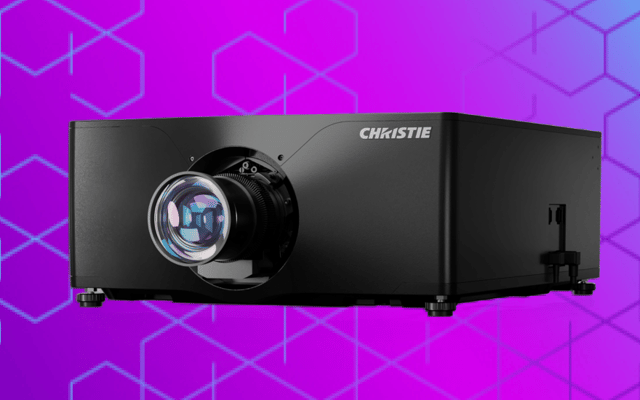
Fortunately, modern cinema projection gives exhibitors far more flexibility than they once had. A premium image is no longer limited to PLF auditoriums. I know I’ve trusted Christie projection for many years because I’ve been able to choose laser cinema projectors for different screen sizes, including smaller screens. For my customers, I’ve been able to recommend their RGB pure laser projectors for flagship venues, and their new RGBH hybrid laser projectors for mid-sized cinemas.
An exciting development for exhibitors is the new Christie VDR™ software. Designed for CineLife+™ Real|Laser™ projectors, it’s an option to bring that premium mindset to your theatre and audiences without upgrading equipment. By dynamically adjusting the laser power frame by frame, VDR enhances contrast and details in dark scenes to offer premium visuals, without requiring content to be remastered.
Modern cinema electronics and media blocks add another layer of flexibility. Support for 4K and high frame rate content, scalable solid-state storage, remote operation, and current DCI and SMPTE standards help a cinema remain ready for new releases and formats. The real benefit is not the specification itself; it's the confidence that the screen can present content as intended and operate reliably when the audience arrives.
Look at the full cost, not just the purchase price
For exhibitors evaluating their options for upgrades, purchase price is only part of the calculation. It’s the total cost of ownership, which includes energy consumption, cooling, lamp replacement, maintenance visits, spare parts, downtime, and the system's lifespan, that you need to consider to understand the full cost of a projector.
For example, by choosing laser projection, you remove the cost of lamp replacements, reduce heat and overall maintenance requirements, and provide more stable brightness over time. That initial investment in laser creates savings while also protecting presentation quality for a more premium experience. Because a major release shown with a dim, washed-out image weakens the perceived value of the ticket, no matter how good the film is.
“The cheapest decision today is not always the least expensive decision over the life of the equipment.”
Financing can also change the equation. Depending on the market, exhibitors may have access to leasing, supplier financing, energy-efficiency incentives, or public programs that support the modernization of cultural infrastructure. In Europe, NextGenerationEU funding has shown how public investment can help cultural venues accelerate technology and energy-efficiency upgrades. Opportunities vary by country, but they are worth investigating as part of a wider investment plan.
There is a strong business case for approaching upgrades as part of a phased strategy. An exhibitor may begin making upgrades in the auditorium where they’ll have the greatest effect on ticket value, reliability, or energy use. Exhibitors can then measure the results and use what they’ve learned during future upgrades.
When measuring the success of an upgrade, it’s useful to look at factors such as attendance patterns, premium ticket uptake, guest feedback, energy use, maintenance calls, and the number of screenings protected from technical disruptions.
The greater risk may be doing nothing
The most common objection to premium investment is that it's too expensive. I understand that concern. Cinema margins are under pressure, and every capital decision needs to be justified.
But doing nothing has a price, too. It can mean losing guests to other cinemas and other forms of entertainment. It can mean canceled screenings when obsolete equipment fails and support is no longer available. The worst case is that it may let a viable local cinema — and the cultural role it plays in its community — decline beyond recovery.
This is why I don't see premium as a luxury reserved for a handful of flagship sites. I see it as a way of thinking: Understanding what makes a visit feel special, investing where it matters most, and using technology to improve both the audience experience and the operation's economics.
Not every cinema needs to have the largest screen or luxury VIP seating. But every cinema needs to give people a reason to leave home. By letting the audience experience guide your investment, premium becomes less about scale and more of a mindset that gives you confidence in your investment, knowing that the picture, sound, comfort, and overall experience are what bring people back to the cinema.